


 PGConf India has become an important forum for deep technical discussion around PostgreSQL internals, and the 2026 edition reflected a growing interest in understanding how PostgreSQL behaves beneath the surface.
 Engaging with the PostgreSQL Community
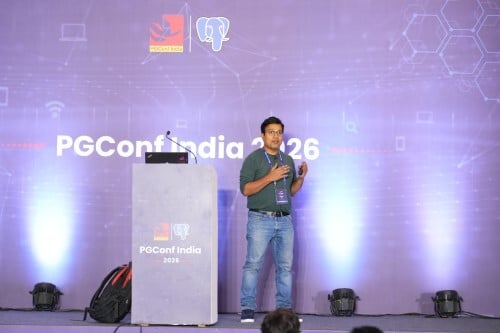
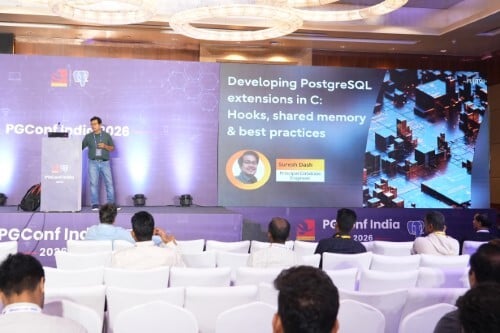
The event gave me the opportunity to engage closely with a highly engaged PostgreSQL community through my session and the many conversations around it.
In this post, I’ll share my impressions from PGConf India 2026 and include my presentation for those who couldn’t attend but are interested in developing PostgreSQL extensions in C.
Extending PostgreSQL with C in practice
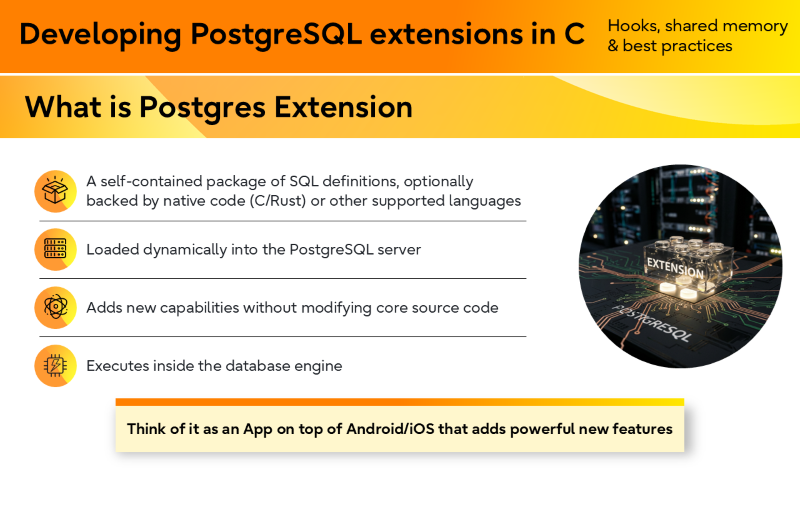
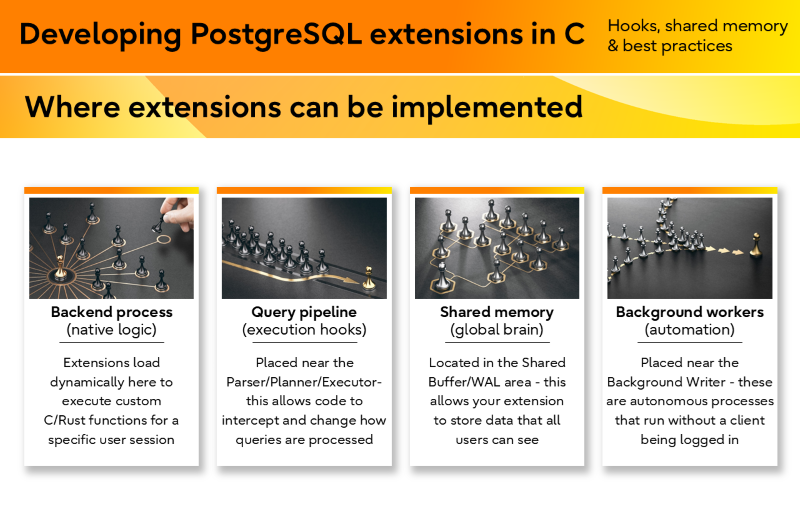
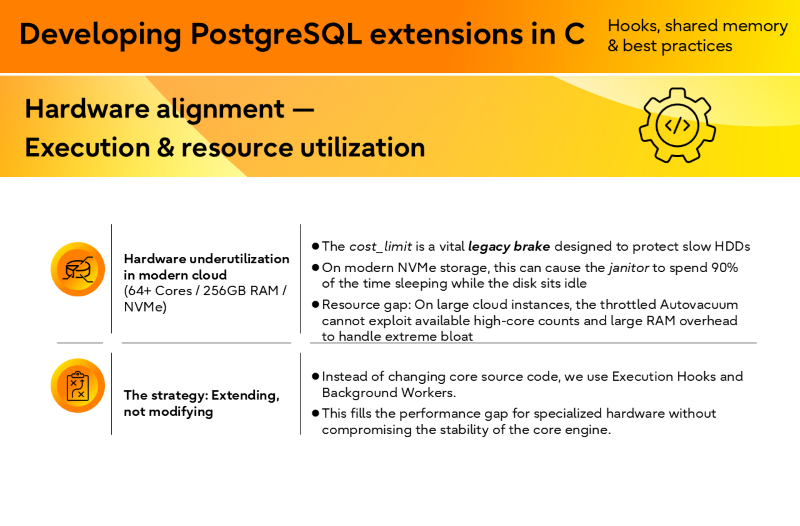
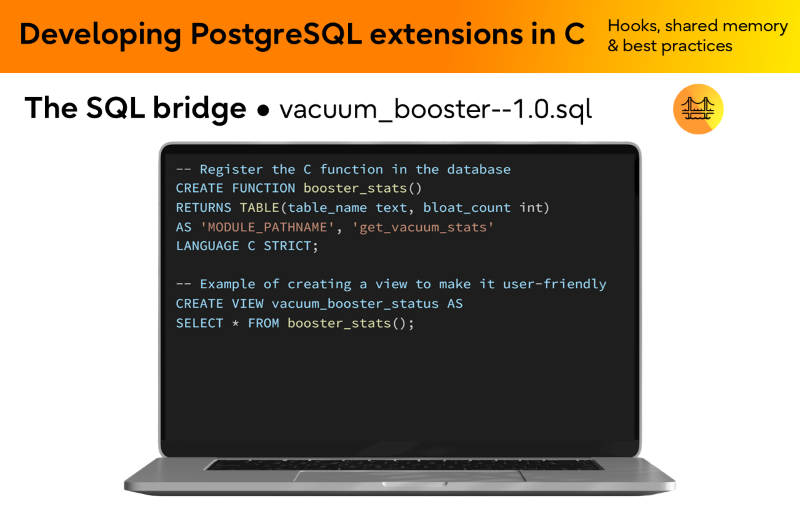
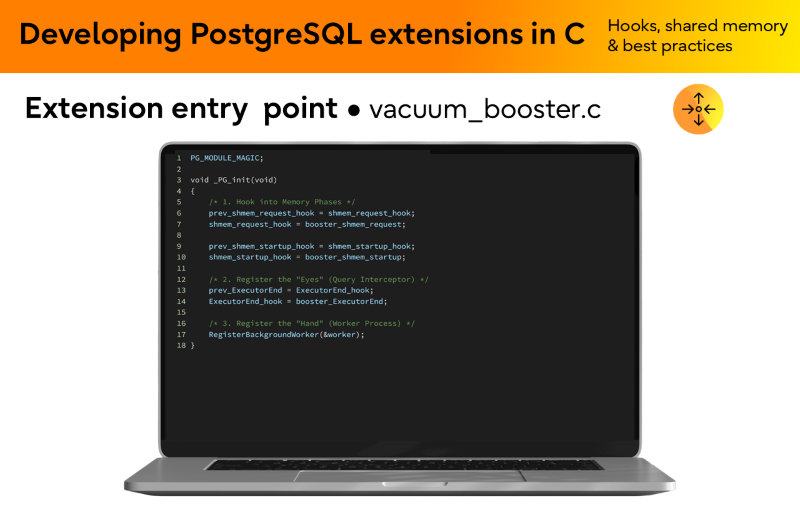
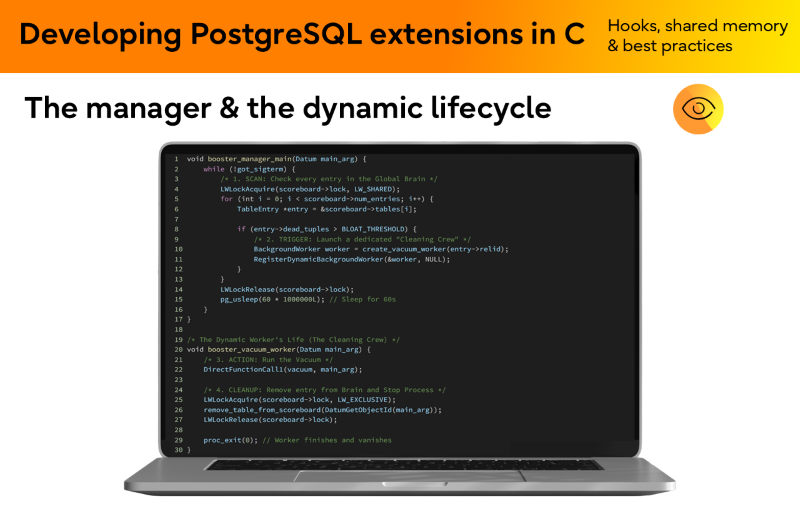
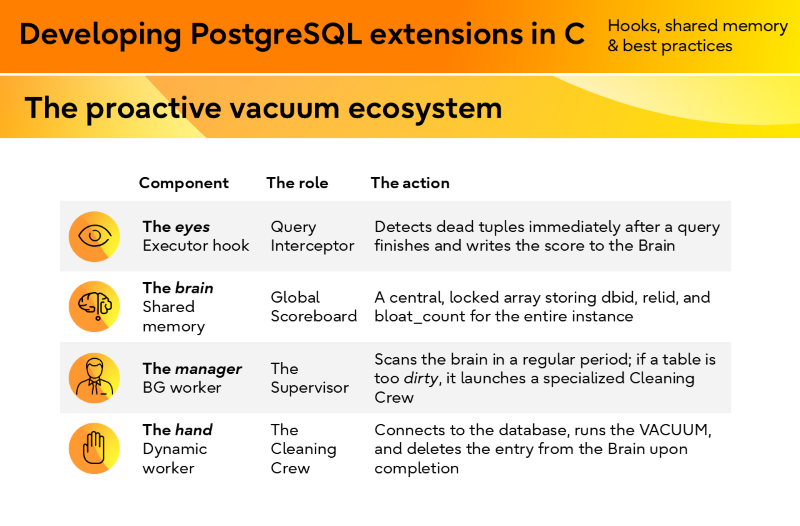
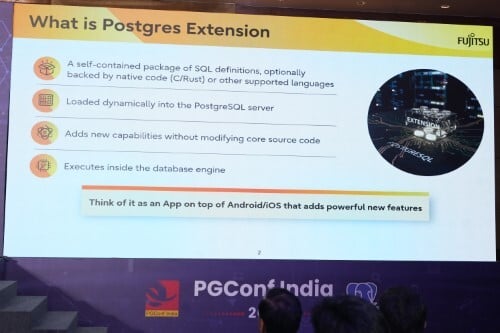
 My session focused on how PostgreSQL can be extended using C to build high performance, deeply integrated features without modifying the core database engine. The emphasis was on understanding extension development as a first class mechanism within PostgreSQL—one that allows developers to hook into core execution paths, share state across backends, and run asynchronous processing while remaining aligned with upstream design principles.
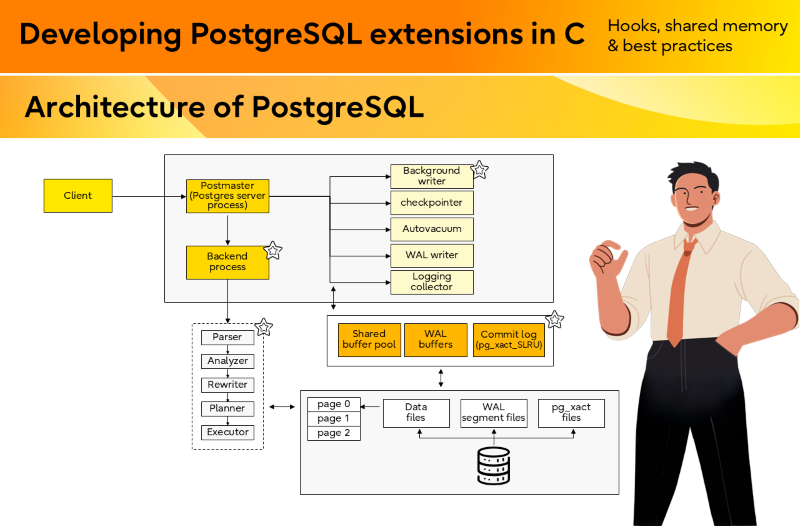
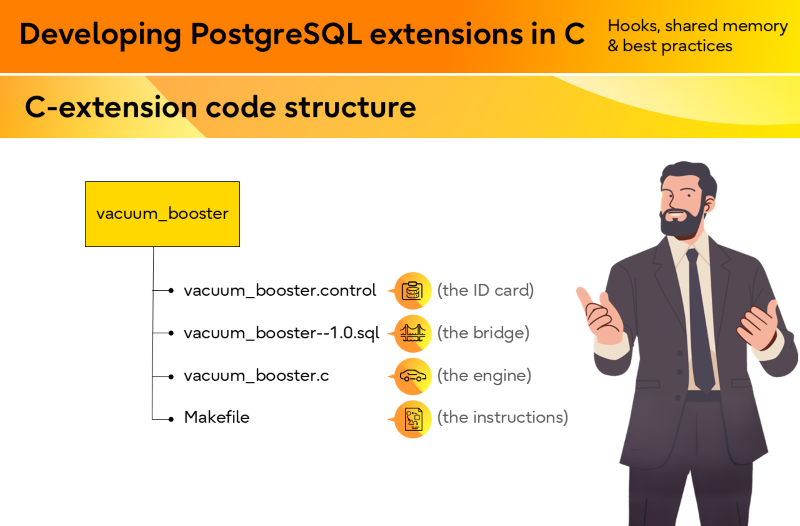
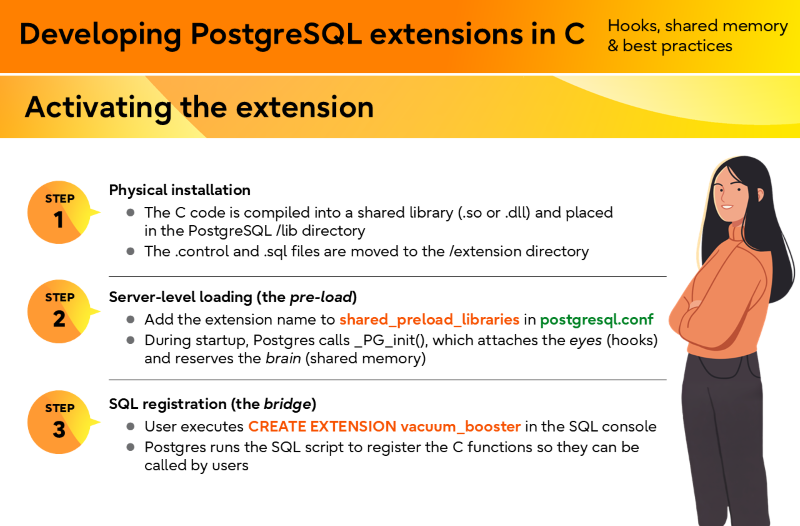
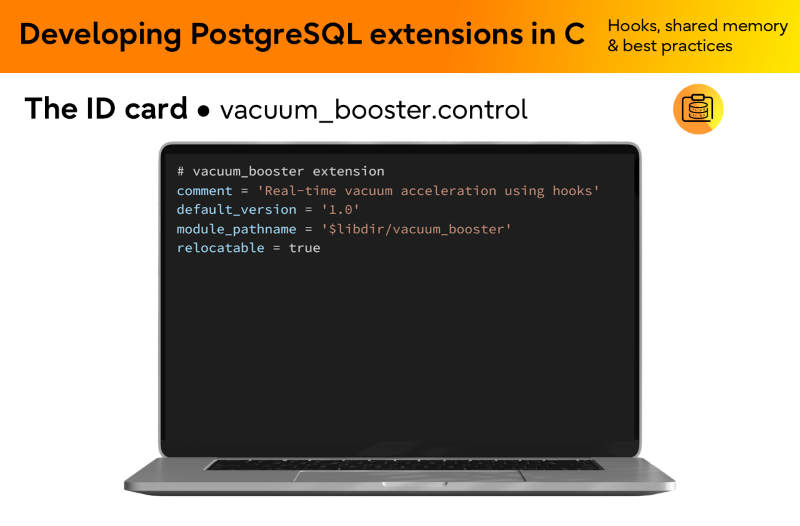
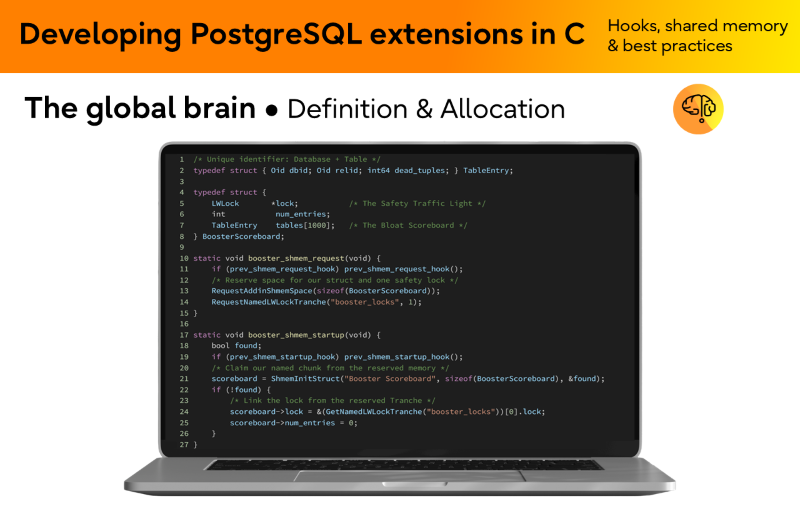
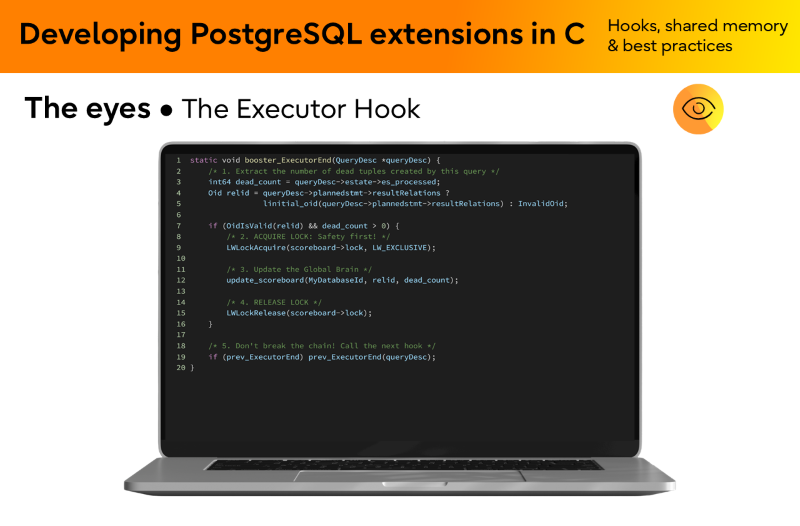
I covered the fundamentals of extension development, including how extensions are structured, how and when they are loaded into the PostgreSQL server, and how they interact with internal components such as hooks, shared memory, and background workers.
A key theme throughout the session was helping developers reason about PostgreSQL internals using clear mental models and practical examples, making complex subsystems easier to understand and apply when building stable, production ready extensions.
Key highlights
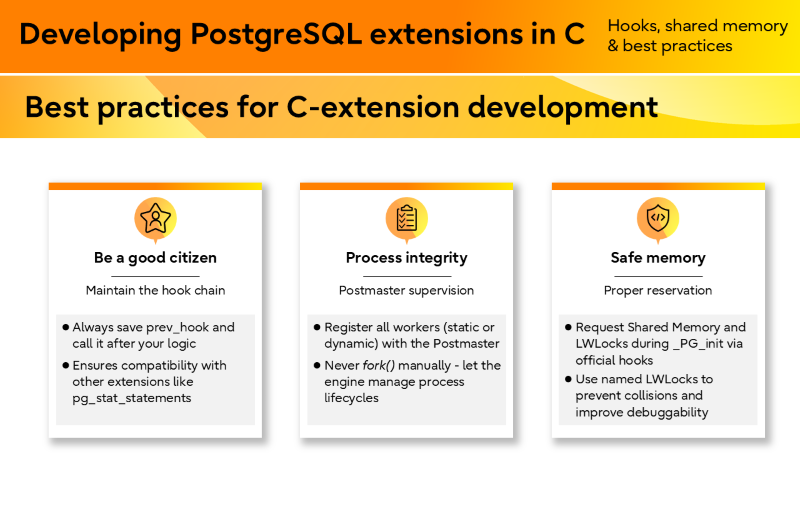
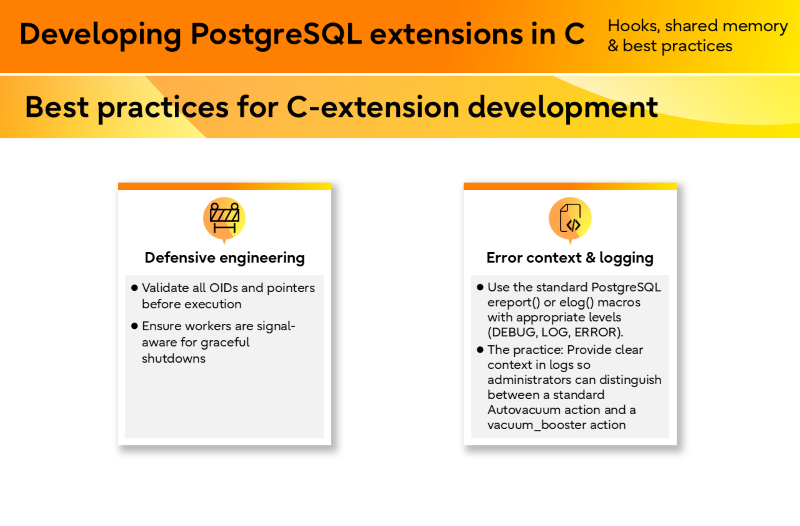
 The session distilled several practical takeaways for developers looking to work closer to PostgreSQL internals and build reliable, production‑grade extensions without compromising stability. The focus was on understanding how extensions interact with core subsystems, the constraints imposed by PostgreSQL’s process model and memory architecture, and the design considerations required to build extensions that remain correct, observable, and maintainable under real‑world concurrency and workload pressure.
- Understanding how extensions integrate with PostgreSQL internals (planner, executor, and utility layers)
- Using hooks to safely customize database behavior
- Managing shared memory and concurrency within extensions
- Leveraging background workers for asynchronous or continuous processing
- Best practices for building stable, maintainable, and production-ready extensions
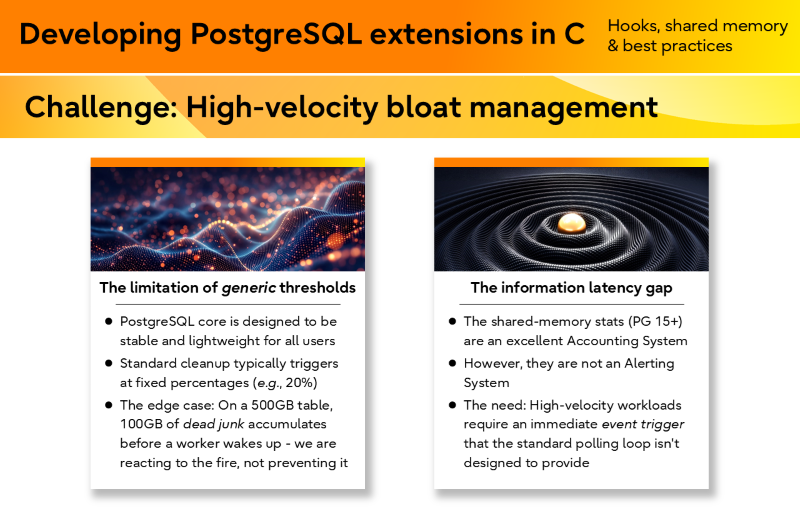
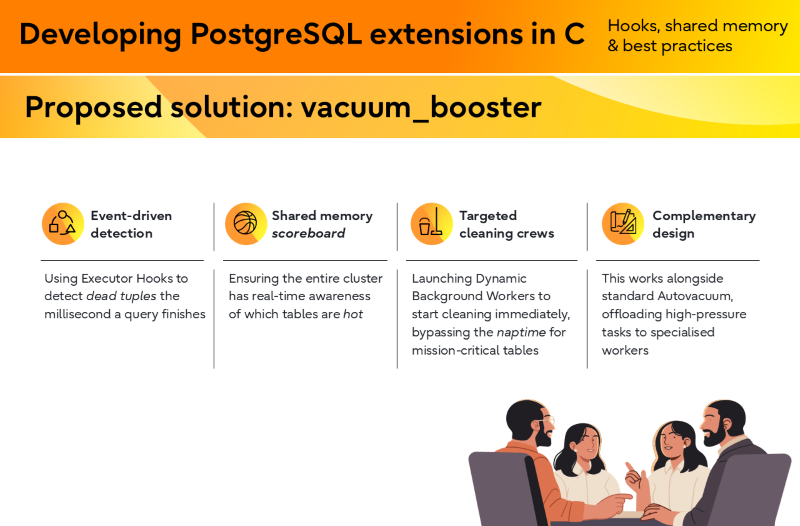
The session also introduced a conceptual idea called vacuum_booster, which explores improving vacuum responsiveness in high-velocity workloads by detecting heavy update activity earlier and triggering more proactive cleanup.
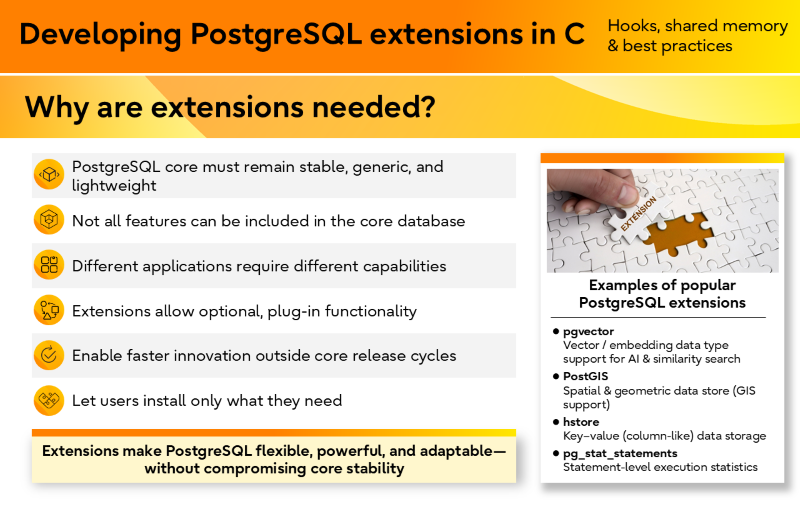
Developing PostgreSQL extensions in C: Hooks, shared memory & best practices
 Click to view the slides side by side
 Top to bottomClick to view the slides in vertical orientation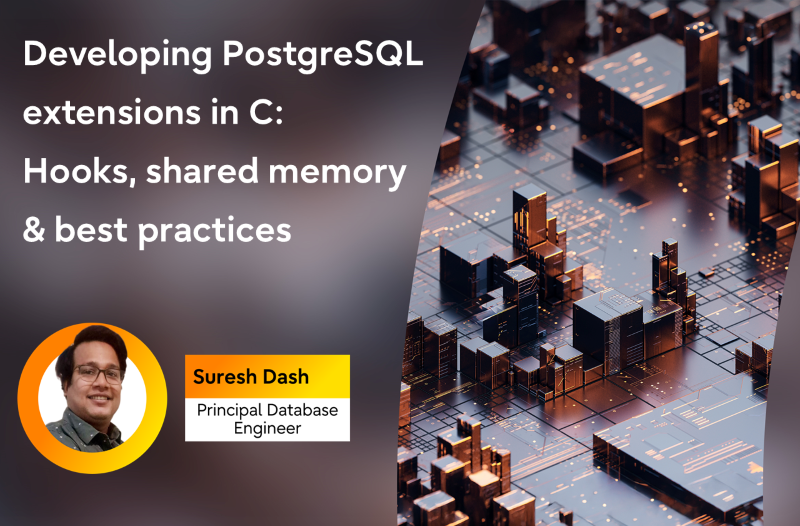
Overall impression
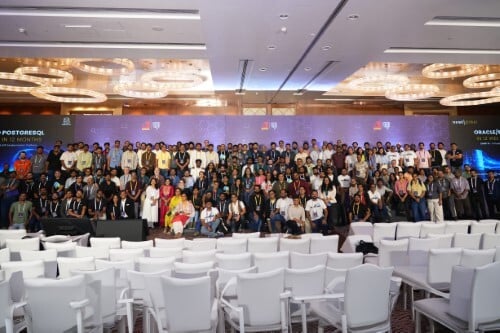
 PGConf India 2026 was a very engaging and well-organized event, with strong participation from both the PostgreSQL community and enterprise users.
There was a noticeable interest in PostgreSQL internals, performance optimization, and extensibility. The discussions during and after the session were very interactive, with participants sharing real-world challenges and use cases.
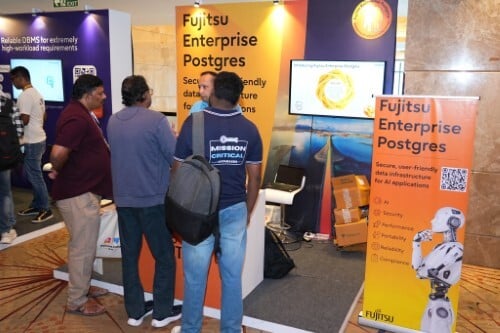
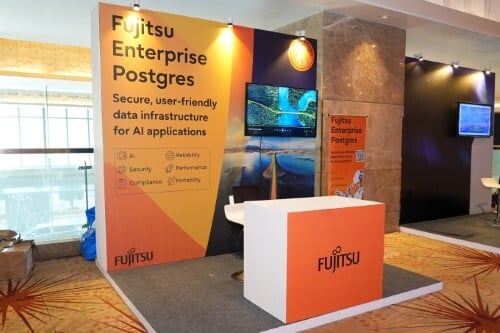
It was also encouraging to see strong representation and interest in PostgreSQL technologies from enterprise teams, including Fujitsu.
More on PGConf India 2026
 Watch for an upcoming blog post from my colleague Shlok Kyal, where he’ll share his impressions of the event, alongside a detailed review of his presentation.
His talk focused on PostgreSQL logical replication, exploring how data changes propagate through the system and what that means for real‑world use cases such as zero‑downtime upgrades and replication‑driven architectures.
Subscribe to be notified when it goes live.
Photo gallery




 PostgreSQL Insider

